

-13%
Bacteriostatic Water 30ML (HOSPIRA)
Original price was: $35.00.$30.00Current price is: $30.00.
DSIP
Original price was: $45.00.$40.00Current price is: $40.00.
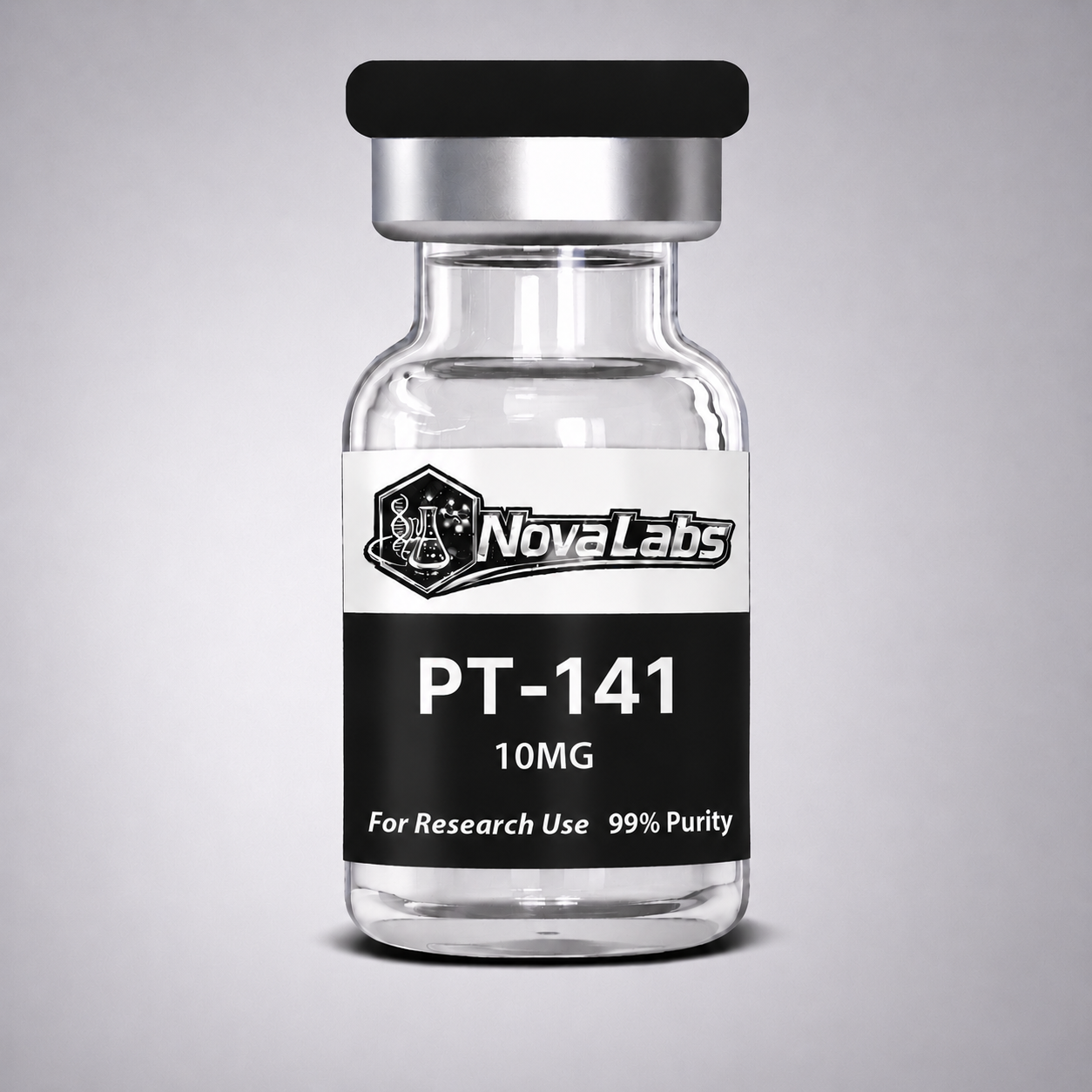
PT-141
Original price was: $40.00.$35.00Current price is: $35.00.
4 in stock
Related products
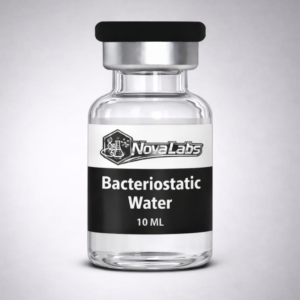
BACTERIOSTATIC WATER 10ML
Bacteriostatic Water is sterile, non-pyrogenic water commonly used in laboratory environments as a reconstitution and dilution medium for research compounds. It typically contains a small amount of bacteriostatic preservative, such as benzyl alcohol, which helps inhibit the growth of bacteria and supports multi-use applications in controlled laboratory settings.
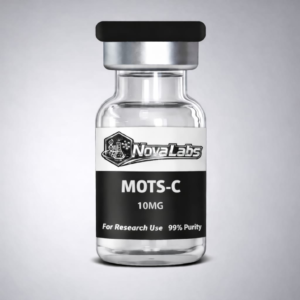
MOTS-C 10MG
MOTS-C is a mitochondrial-derived peptide that has become an area of interest in metabolic and cellular energy research. Unlike many peptides that originate from nuclear DNA, MOTS-C is encoded within the mitochondrial genome, making it a unique model for studying communication between mitochondrial function and cellular metabolic regulation.
SS-31 10MG
SS-31, also known as Elamipretide, is a synthetic peptide studied in laboratory environments for its interaction with mitochondrial membranes and cellular energy systems. This small peptide has attracted attention in research focused on mitochondrial biology and the mechanisms that regulate cellular energy production.