

-8%
WOLVERINE 10MG
Original price was: $55.00.$50.00Current price is: $50.00.
NAD+ 500MG
Original price was: $40.00.$35.00Current price is: $35.00.
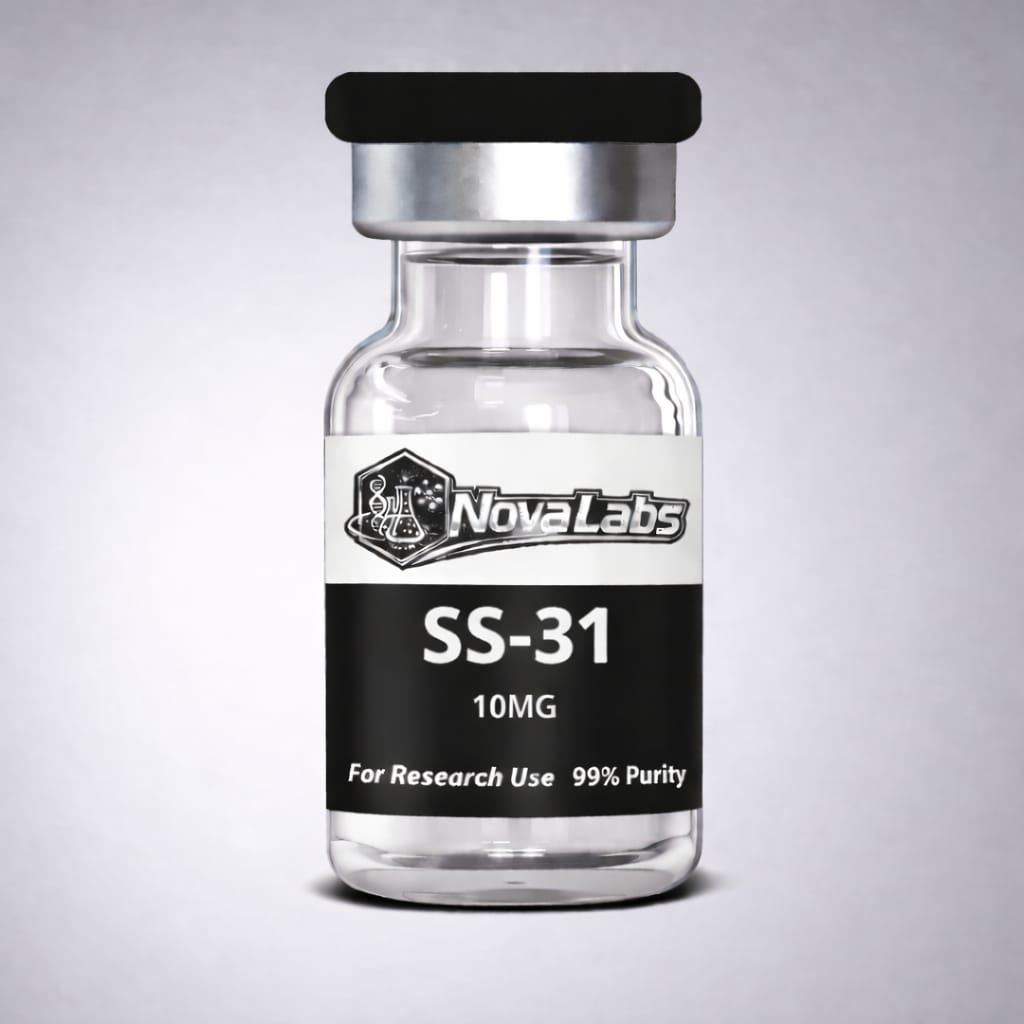
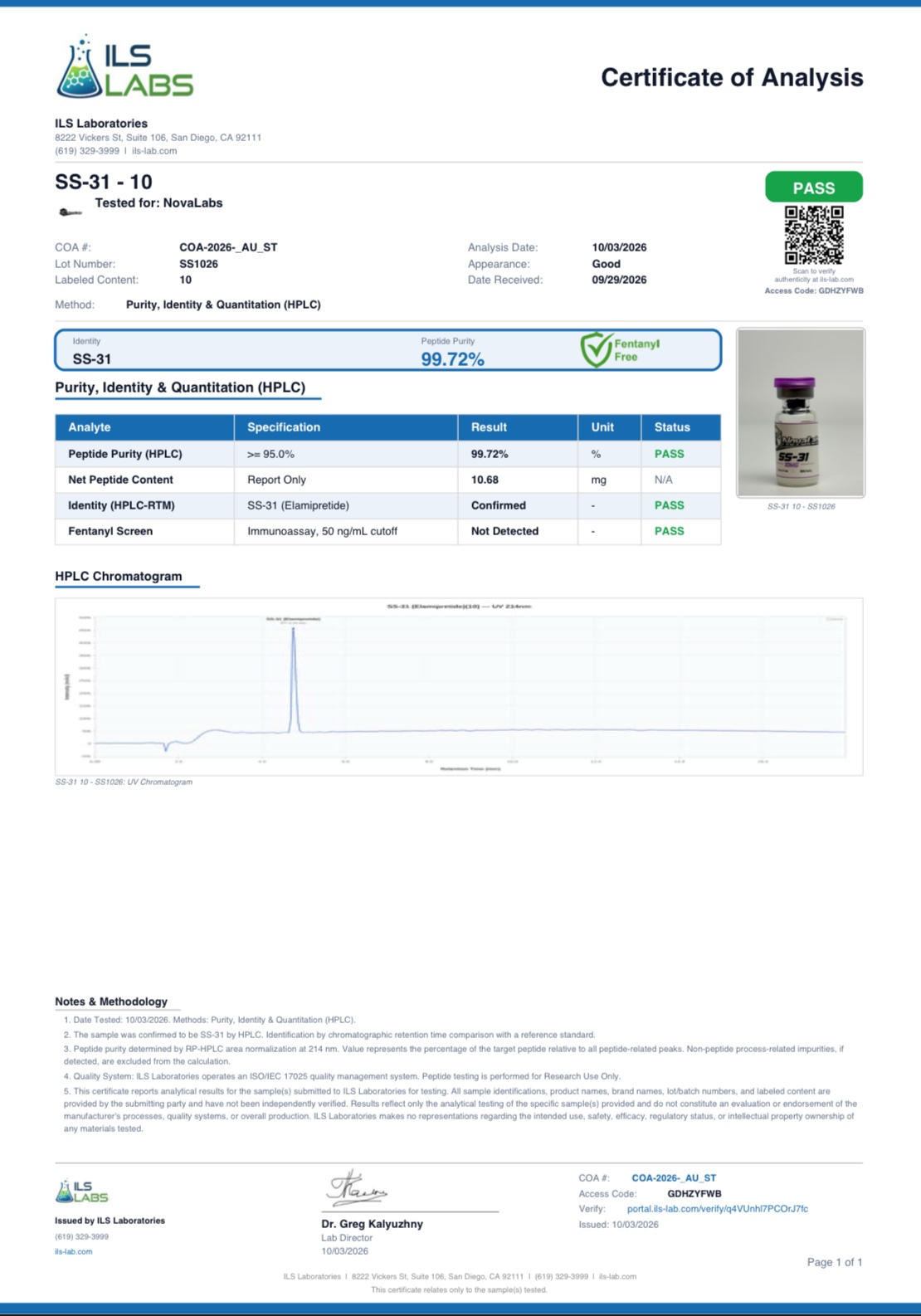
SS-31 10MG
Original price was: $60.00.$55.00Current price is: $55.00.
SS-31, also known as Elamipretide, is a synthetic peptide studied in laboratory environments for its interaction with mitochondrial membranes and cellular energy systems. This small peptide has attracted attention in research focused on mitochondrial biology and the mechanisms that regulate cellular energy production.
27 in stock
Related products
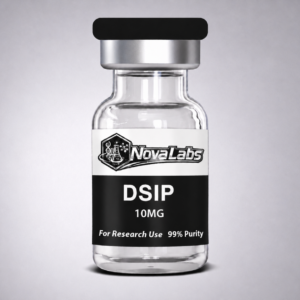
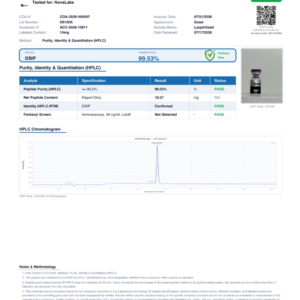
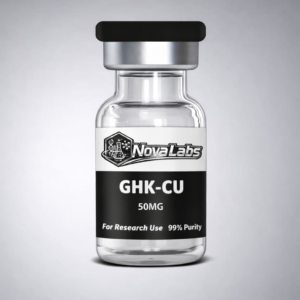
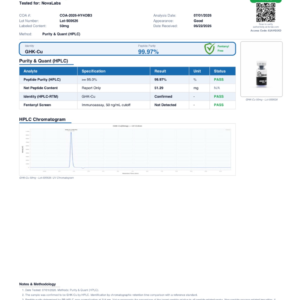
GHK-CU 50MG
GHK-Cu is a copper-binding peptide complex composed of the naturally occurring tripeptide glycyl-L-histidyl-L-lysine (GHK) bound to a copper ion (Cu²⁺). This peptide complex has attracted significant interest in laboratory research focused on cellular signaling, peptide–metal interactions, and biological regulatory pathways.
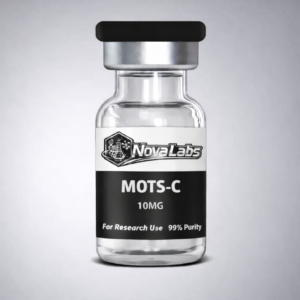
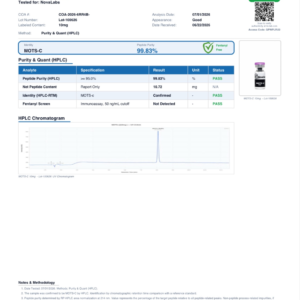
MOTS-C 10MG
MOTS-C is a mitochondrial-derived peptide that has become an area of interest in metabolic and cellular energy research. Unlike many peptides that originate from nuclear DNA, MOTS-C is encoded within the mitochondrial genome, making it a unique model for studying communication between mitochondrial function and cellular metabolic regulation.
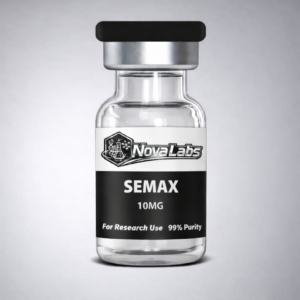
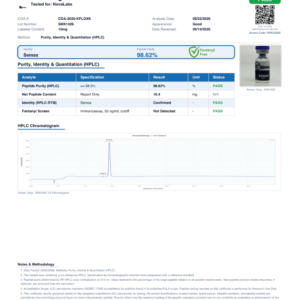
SEMAX 10MG
Semax is a synthetic peptide derived from a fragment of adrenocorticotropic hormone (ACTH) that is widely studied in neuroscience and peptide signaling research. The compound is designed to interact with regulatory pathways involved in neurochemical communication, making it a subject of interest in laboratory models examining brain-related signaling mechanisms.
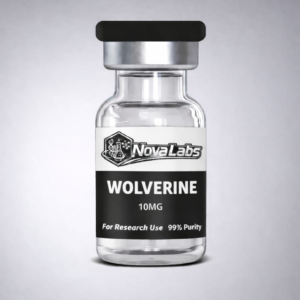
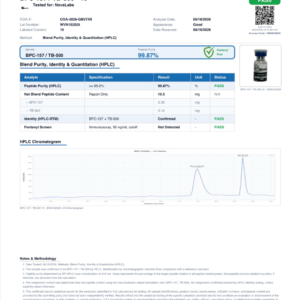
WOLVERINE 10MG
Wolverine Blend is a peptide combination commonly studied in laboratory research models focused on tissue biology and cellular signaling pathways. This blend typically combines BPC-157 and TB-500 (Thymosin Beta-4 fragment), two peptides frequently examined for their roles in cellular communication and regulatory mechanisms related to tissue structure and repair processes within experimental systems.